
Nepal, home to the majestic Himalayas, is a dream destination for climbers worldwide. From beginner trekking peaks to technical high-altitude expeditions, Nepal offers a wide range of experiences for every adventurer. Whether it’s your first Himalayan climb or your tenth, Prime Himalayas provides expert guidance, permits, and logistics to ensure a safe and unforgettable adventure.
In this guide, we’ll explore the top peaks to climb in Nepal, including Mera Peak, Island Peak, Lobuche East, Pisang Peak, Baruntse, and Ama Dablam, covering routes, difficulty levels, best climbing seasons, and tips to prepare.
Why Choose Nepal for Peak Climbing?
Nepal is home to 8 of the 14 highest peaks in the world, including Everest, Kanchenjunga, and Lhotse. Peak climbing in Nepal offers:
- Diverse climbing experiences: From moderate trekking peaks to challenging technical peaks
- Cultural immersion: Experience Sherpa villages, monasteries, and unique Himalayan culture
- Stunning landscapes: Glaciers, snow-capped peaks, and panoramic Himalayan views
- Professional support: Licensed guides, high-quality gear, and reliable trekking agencies like Prime Himalayas
Whether you are a first-time climber or an experienced mountaineer, Nepal has the perfect peak for you.
Top Peaks to Climb in Nepal
Here’s a curated list of the most popular and exciting peaks in Nepal:
| Peak Name | Elevation (m/ft) | Difficulty |
|---|---|---|
| Mera Peak | 6,476 m / 21,247 ft | Moderate |
| Island Peak | 6,189 m / 20,305 ft | Moderate-Technical |
| Lobuche East | 6,119 m / 20,075 ft | Moderate |
| Pisang Peak | 6,091 m / 19,980 ft | Moderate |
| Baruntse | 7,129 m / 23,386 ft | Technical |
| Ama Dablam | 6,812 m / 22,349 ft | Technical |
Pro Tip: Choosing the right peak depends on your experience, fitness level, and acclimatization tolerance.
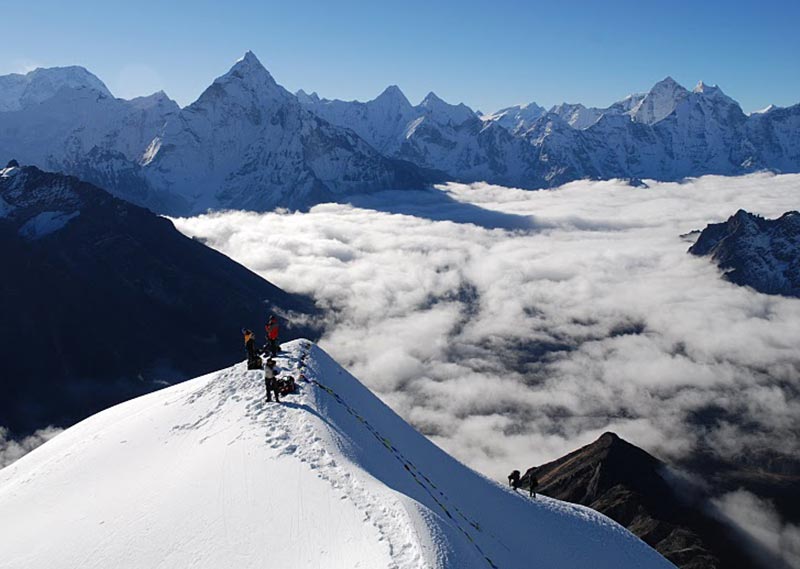
1. Mera Peak Climbing: The Gateway to Himalayan Adventure
Mera Peak is the highest trekking peak in Nepal and ideal for climbers looking for an accessible but thrilling Himalayan climb.
- Difficulty: Moderate; suitable for beginners with prior trekking experience
- Best Season: March–May and September–November
- Highlights: Stunning panoramic views of Everest, Makalu, Cho Oyu, and Lhotse
- Duration: 18–20 days including acclimatization
- Permits: Require TIMS card and Peak Climbing Permit
Plan Your Himalayan Adventure Today
Experience Nepal’s top peaks with expert guides and hassle-free permits. Start your ultimate climbing journey now!
2. Island Peak Climbing: Iconic Everest Region Experience
Island Peak, also known as Imja Tse, is one of the most popular peaks in the Everest region.
- Difficulty: Moderate-Technical; requires basic ice climbing skills
- Best Season: March–May, September–November
- Highlights: Close-up views of Everest, Lhotse, Nuptse, and Ama Dablam
- Duration: 18–21 days including acclimatization
- Permit: Peak Climbing Permit via Nepal Mountaineering Association
Island Peak is perfect for those who want a taste of high-altitude climbing before attempting technical peaks.
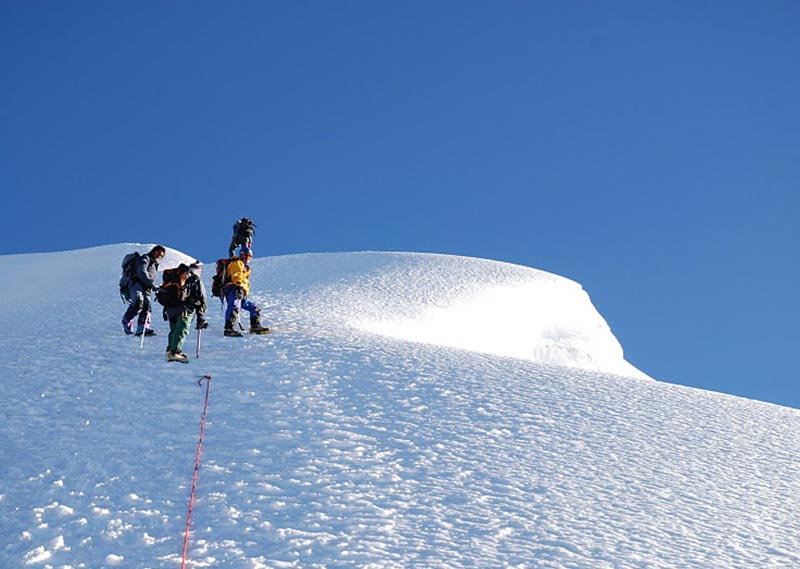
3. Lobuche East: Moderate Everest Region Climb
Lobuche East is a moderate trekking peak in the Everest region and a popular choice for climbers looking to challenge themselves beyond Mera and Island Peak.
- Elevation: 6,119 m / 20,075 ft
- Difficulty: Moderate
- Best Season: March–May, September–November
- Duration: 18–20 days including acclimatization
- Highlights: Close views of Everest, Nuptse, and the Khumbu Glacier; ideal for climbers seeking high-altitude experience without extreme technical difficulty.
- Permit: Peak Climbing Permit via Nepal Mountaineering Association
Pro Tip: Ensure proper acclimatization in Gorak Shep and Lobuche villages to avoid altitude sickness.
4. Pisang Peak: Annapurna Region Adventur
Pisang Peak is a moderate trekking peak located in the Annapurna region. It offers a unique combination of climbing and trekking experiences.
- Elevation: 6,091 m / 19,980 ft
- Difficulty: Moderate
- Best Season: March–May, September–November
- Duration: 14–16 days
- Highlights: Stunning views of Annapurna II, Pisang Glacier, and the Manang valley; accessible for climbers with basic mountaineering skills.
- Permit: Peak Climbing Permit via Nepal Mountaineering Association
5. Baruntse: Technical Climb for Experienced Mountaineers
Baruntse is a technical Himalayan peak ideal for climbers with prior high-altitude experience. It’s a challenging climb that rewards you with spectacular vistas of Makalu and Everest.
- Elevation: 7,129 m / 23,386 ft
- Difficulty: Technical
- Best Season: April–May, September–October
- Duration: 35–40 days including acclimatization
- Highlights: Glacial climbs, crevasse navigation, and high-altitude technical climbing; considered a gateway to 8,000 m peaks.
- Permit: Peak Climbing Permit via Nepal Mountaineering Association
Pro Tip: Only attempt Baruntse with experienced guides and proper technical gear.
6. Ama Dablam: Iconic Technical Peak
Ama Dablam is one of Nepal’s most iconic technical peaks. Known as the “Matterhorn of the Himalayas,” it offers an unforgettable climbing experience.
- Elevation: 6,812 m / 22,349 ft
- Difficulty: Technical
- Best Season: March–May, September–November
- Duration: 28–32 days including acclimatization
- Highlights: Steep rock and ice climbing, breathtaking views of Everest and Lhotse, and a sense of true mountaineering adventure.
- Permit: Peak Climbing Permit via Nepal Mountaineering Association
Explore Mera & Island Peak with Experts
Join guided peak climbing trips with Prime Himalayas and enjoy safety, adventure, and breathtaking Himalayan views. Connect on WhatsApp
Understanding Peak Difficulty Levels
Choosing the right peak depends on your skill, experience, and physical fitness. Here’s a simplified guide:
| Difficulty Level | Description | Examples |
|---|---|---|
| Easy | Suitable for first-time climbers; minimal technical skills | Mera Peak |
| Moderate | Requires basic mountaineering skills, some ice climbing | Island Peak, Lobuche East |
| Technical | High-altitude peaks with complex climbing routes | Ama Dablam, Baruntse |
Note: Always consider acclimatization, fitness, and weather conditions before selecting a peak.
Best Seasons for Peak Climbing in Nepal
Timing your climb is critical to avoid monsoon rains and extreme winter cold.
- Spring (March–May):
- Clear skies, moderate temperatures
- Ideal for most peaks
- Popular flowering season in lower altitudes
- Autumn (September–November):
- Best visibility and stable weather
- Perfect for photography
- High trekking and climbing season
- Winter (December–February):
- Low crowd, very cold, technical challenges
- Only suitable for experienced climbers
- Monsoon (June–August):
- Heavy rainfall, slippery trails, and risk of landslides
- Not recommended for peak climbing
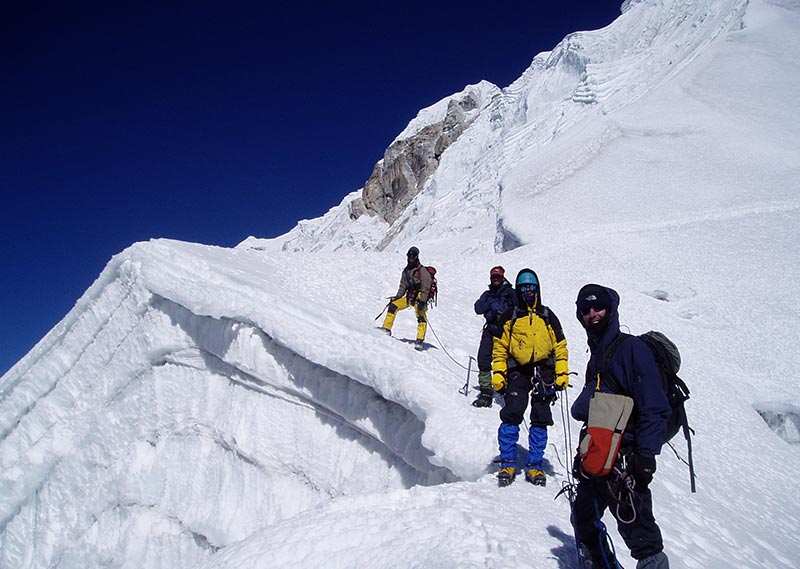
Tips for a Successful Peak Climb
- Hire Certified Guides: Local expertise ensures safety and better route knowledge
- Train Physically: Focus on endurance, strength, and cardiovascular fitness
- Acclimatize Properly: Avoid altitude sickness by ascending gradually
- Gear Up: Use proper mountaineering equipment – crampons, harness, helmets, and layered clothing
- Plan Early: Book permits, flights, and accommodation in advance
Other Popular Peaks in Nepal
For climbers looking to explore beyond Mera and Island Peak, Nepal has numerous options:
- Lobuche East (6,119 m / 20,075 ft): Moderate; great views of Everest
- Pisang Peak (6,091 m / 19,980 ft): Moderate; located in the Annapurna region
- Baruntse (7,129 m / 23,386 ft): Technical; advanced expedition
- Ama Dablam (6,812 m / 22,349 ft): Technical; iconic Himalayan climb
Each peak has its unique challenges, scenic views, and cultural experiences, making Nepal a climber’s paradise.
Essential Peak Climbing Gear Checklist
- Mountaineering boots & gaiters
- Crampons and ice axe
- Helmet & harness
- Warm clothing (layers)
- Sleeping bag suitable for -20°C
- Trekking poles and gloves
- Sunglasses & sunscreen
Ready for Your Peak Climbing Challenge?
From beginner trekking peaks to technical climbs, we have the perfect Himalayan adventure for you.
Conclusion
Nepal is a climber’s paradise, offering peaks for all levels – from trekking-friendly Mera and Island Peak to technical giants like Ama Dablam and Baruntse. With proper planning, acclimatization, and guidance from Prime Himalayas, your Himalayan climbing experience can be safe, memorable, and transformative.
Whether you’re a beginner or an experienced mountaineer, Nepal’s peaks promise unforgettable landscapes, cultural encounters, and personal achievement.
Start planning your peak climbing adventure in Nepal today and explore the Himalayas like never before!