
Unveiling the Untold Stories, Hidden Facts & Ultimate Adventure Guide to the World’s Tallest Peak
Mount Everest is more than just the highest mountain on Earth — it represents the pinnacle of exploration, courage, and the human desire to push limits. Standing tall at 8,848.86 meters (29,031.7 feet), this colossal peak draws climbers, nature enthusiasts, and cultural explorers from around the world. Whether you’re planning a summit or fascinated by its mysteries, this comprehensive and uniquely curated guide will walk you through Everest’s unmatched legacy.
Lesser-Known Facts About Mount Everest
| Feature | Information |
| Altitude | 8,848.86 meters (29,031.7 feet) |
| Known As in Nepal | Sagarmatha (Forehead in the Sky) |
| Tibetan Name | Chomolungma (Goddess Mother of the World) |
| First Ascent | May 29, 1953, by Hillary & Norgay |
| Mountain Range | Himalayas |
| Continues to Grow? | Yes, by 4 mm annually |
Unheard Facts About Mount Everest:
- Mount Everest lies above an ancient seafloor; marine fossils have been discovered at high altitudes.
- The summit experiences jet-stream winds reaching up to 200 mph.
- Over 300 climbers have lost their lives on Everest, many of whom remain on the mountain.
- Everest has two summits: the South Summit (8,749 m) and the Main Summit (8,848.86 m).
- The air pressure at the summit is only one-third that of sea level.
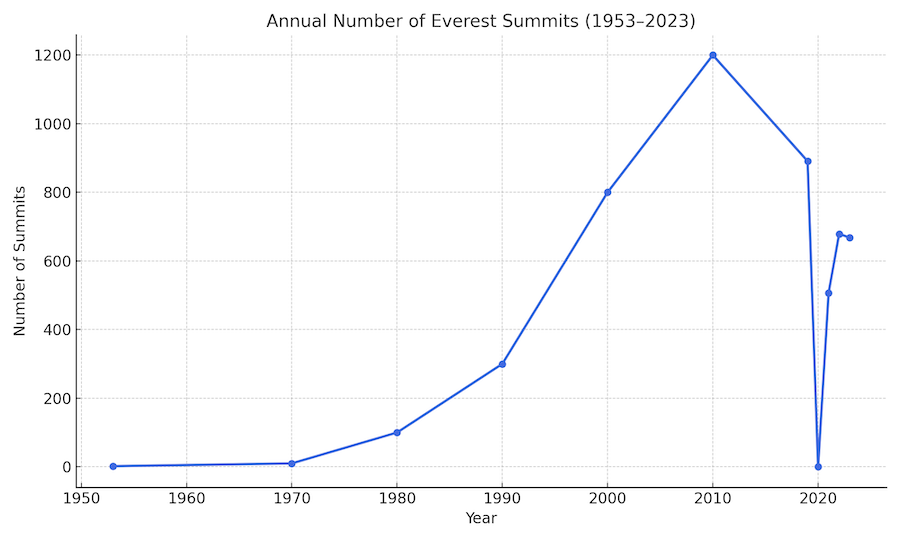
Annual Number of Everest Summits (1953–2023)
Trend Insight: The number of successful ascents has risen dramatically since 1953, especially in the 21st century.
| Year | Number of Summits |
| 1953 | 2 |
| 1970 | 10 |
| 1980 | 100 |
| 1990 | 300 |
| 2000 | 800 |
| 2010 | 1,200 |
| 2019 | 891 (record) |
| 2020 | 0 (pandemic) |
| 2021 | 507 |
| 2022 | 679 |
| 2023 | 668 |
Everest Summit Trends Over the Decades
This graph shows the incredible rise in successful Everest ascents from 1953 to 2023, highlighting climbing booms, record years, and pandemic impact
Rich Historical Legacy and Legendary Climbers
Mount Everest has attracted daring spirits since the early 20th century. The first serious expeditions were organized by the British in the 1920s, but it wasn’t until 1953 that the summit was officially reached.
Key Historical Highlights:
- 1924: George Mallory and Andrew Irvine vanished near the summit
- 1953: Sir Edmund Hillary and Tenzing Norgay make history
- 1975: Junko Tabei becomes the first woman to summit
- 2001: Erik Weihenmayer becomes the first blind climber to reach the top
- 2019: Record 891 successful summits in one year
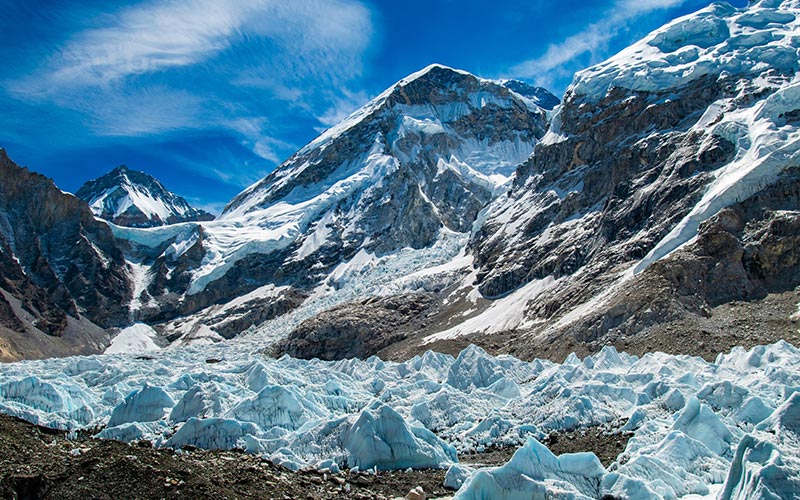
Where Exactly is Everest? A Geographical Deep Dive
Mount Everest sits on the international border of Nepal and Tibet (China). It is part of the Mahalangur Himal sub-range of the Himalayas.
Access Points:
- Southern Route via Nepal (South Col): Begins in Lukla and includes Everest Base Camp.
- Northern Route via Tibet (North Col): Starts from Tibet with a drive to base camp.
The Mountain’s Birth: Everest’s Unique Geology
Formed over 60 million years ago, Everest is the result of the Indian plate colliding with the Eurasian plate.
Everest’s Geological Secrets:
- Contains ancient marine limestone, shale, and marble.
- The summit rock is a marine limestone called Qomolangma Formation.
- Continues to rise due to tectonic movement.
Climbing Routes and Their Distinct Challenges
| Route | Origin | Difficulty Level | Unique Characteristics |
| South Col | Nepal | Moderate | More infrastructure, Sherpa support |
| North Col | Tibet | Advanced | Harsher winds, fewer rescue options |
Summit Timeline:
- Average expedition: 6-8 weeks
- Acclimatization and weather windows are key
- Four major camps are used before final push
Real Dangers Only Everest Climbers Face
Mount Everest is infamous for its life-threatening conditions. The “Death Zone” above 8,000 meters is a term used for altitudes where the human body begins to shut down.
Major Risks Include:
- Acute Mountain Sickness (AMS)
- Crevasse falls and ice collapses
- Extreme cold and frostbite
- Sudden avalanches
- Psychological stress and exhaustion
Ready to Face the Ultimate Challenge?
Train, Prepare, and Triumph on the top of the World Our elite-guided Everest expeditions prioritize safety, experience, and once-in-a-lifetime moments.

Everest Base Camp Trek: A Life-Changing Journey
Trekking to Everest Base Camp (EBC) offers majestic scenery without needing technical climbing skills.
Trek Info:
- Duration: 12-15 days round trip
- Starting Point: Lukla Airport
- Max Elevation: 5,364 meters
- Main Attractions: Namche Bazaar, Tengboche Monastery, Kala Patthar viewpoint
What Makes EBC Trek Unique:
- Panoramic views of Everest and surrounding giants
- Cultural immersion in Sherpa villages
- Rare flora and fauna of Sagarmatha National Park
Total Cost to Climb Everest: Budget Breakdown
| Expense Type | Average Range (USD) |
| Nepal Government Permit | $11,000 |
| Guided Expeditions | $35,000 – $100,000+ |
| Gear and Equipment | $5,000 – $15,000 |
| Travel & Insurance | $2,000 – $5,000 |
| Training & Preparation | $2,000 – $8,000 |
Pro Tip: Premium services may include heated tents, satellite internet, and personalized Sherpa support.
Everest’s Changing Face: Impact of Climate Change
Everest is witnessing alarming changes due to global warming. Recent studies and climbing reports reveal:
Observable Changes:
- Melting glaciers and permafrost
- Exposure of long-buried bodies and waste
- Increased risk of avalanches and rockfalls
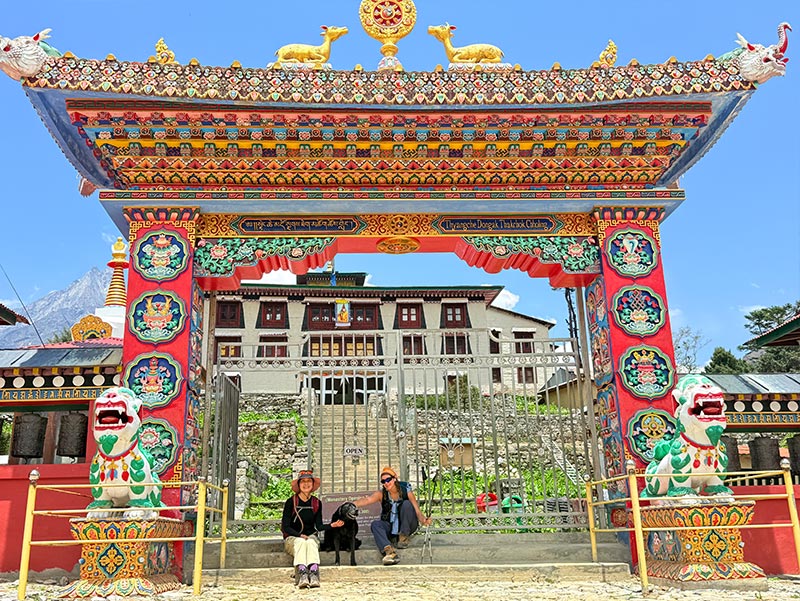
Spiritual and Cultural Importance in Nepal & Tibet
To locals, Everest is sacred. In Nepal, it is Sagarmatha – the goddess of the sky; in Tibet, it is Chomolungma – goddess mother of the world.
Everest’s Cultural Symbols:
- Monasteries like Tengboche bless climbers
- Sherpa people conduct puja ceremonies before every climb
- Prayer flags flutter across base camps as a symbol of spiritual protection
Expert Tips for Mount Everest Adventurers
- Start high-altitude training at least 6 months in advance
- Choose a reputable expedition company
- Invest in proven, durable gear
- Prioritize hydration and proper nutrition
- Respect cultural norms and environmental policies
Answers to Most Asked Everest Questions
Is Mount Everest dangerous to climb?
Yes. Factors like altitude, weather, and exhaustion make it extremely risky.
Can a beginner climb Everest?
Not advisable. High-altitude climbing experience is essential.
Are there age restrictions?
Nepal requires climbers to be at least 16 years old. No official upper age limit.
Do you need oxygen to climb Everest?
Supplemental oxygen is used by over 95% of climbers.
Make Your Everest Dream a Reality
With experienced guides, robust planning, and local expertise, your Everest journey starts now.
Conclusion
Mount Everest stands as a reminder that the greatest heights demand the greatest humility, preparation, and respect. From its spiritual foundations to its scientific mysteries, Everest offers more than just a summit — it offers perspective. Whether you’re trekking to base camp or dreaming of the top, may your journey to Everest be one of discovery and awe.