
A Complete Guide for First-Time Pilgrims
The Kailash Kora, also called the Mount Kailash Parikrama or circumambulation, is one of the most sacred treks on Earth. It forms the heart of the Kailash Mansarovar Yatra, a spiritual pilgrimage that draws thousands of devotees and trekkers from across the globe. This high-altitude journey circles Mount Kailash (6,638 m / 21,778 ft), a peak revered by Hindus, Buddhists, Jains, and followers of Bon.
For many, the Kailash Kora is not just a physical trek—it’s a journey of the soul, one believed to erase lifetimes of karma and bring spiritual awakening.
What is Kailash Kora?
The word “Kora” refers to a sacred clockwise circumambulation performed around a holy site. In the case of Mount Kailash, the trek covers approximately 52 kilometers (32 miles) over three days, beginning and ending in the small Tibetan town of Darchen.
Hindus believe Mount Kailash to be the abode of Lord Shiva. Buddhists see it as the dwelling of the Buddha Demchok. For Jains, it’s the site where their first Tirthankara achieved enlightenment. Every step on this path holds centuries of prayer, devotion, and belief.
Spiritual Significance of Kailash Kora
Doing just one full Kora is believed to cleanse a person of the sins of a lifetime. Completing 108 Koras is said to guarantee enlightenment or liberation. Many pilgrims prostrate themselves throughout the route—an act of deep devotion that takes weeks.
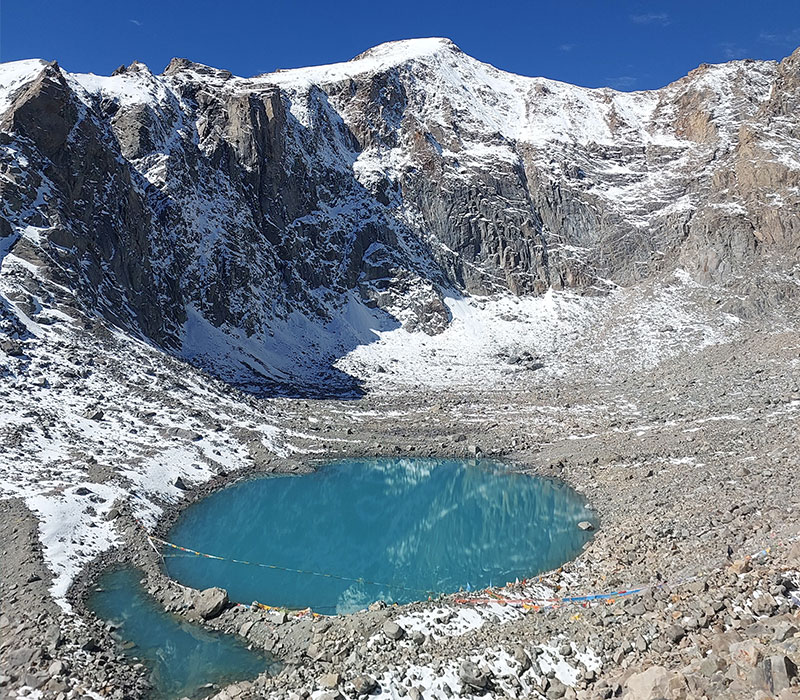
The Dolma La Pass, the highest point of the trek (5,630 m / 18,471 ft), symbolizes the transition from life to rebirth. Just beyond it lies Gauri Kund, a sacred lake associated with Goddess Parvati.
Who Can Do the Kailash Kora?
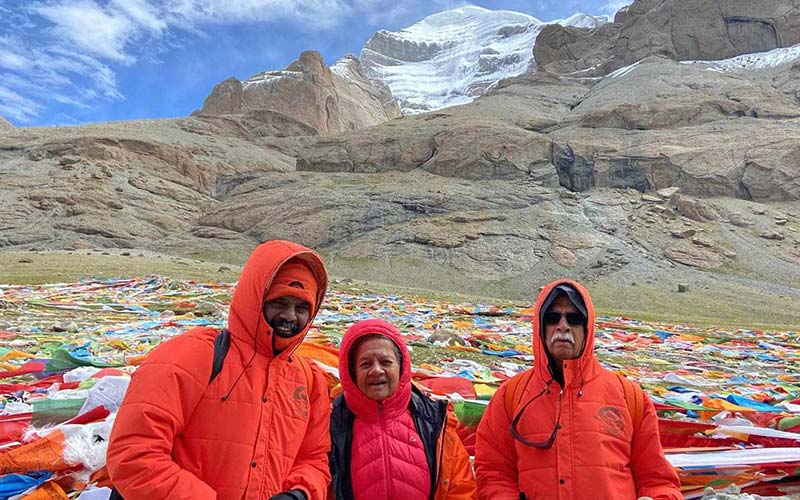
Though spiritual in nature, the Kora is also physically demanding. The trek includes rough terrain, extreme altitude, and cold conditions. But with preparation, even first-time trekkers and senior travelers have completed the journey.
Health Tips:
- Build stamina through walking or hiking
- Practice deep breathing techniques
- Consult a doctor about altitude medication
How to Reach Mount Kailash
There are three main ways to reach the start point of the Kailash Mansarovar Yatra:
- Via Kathmandu, Nepal – The most popular and scenic route
- Via Lhasa, Tibet – Fly into Lhasa and drive to Darchen
- Via Lipulekh Pass, India – Requires special permissions and longer travel
Many pilgrims prefer the Nepal route for its accessibility and spiritual ambiance.
Typical Kailash Kora Itinerary
While the full Yatra often takes 10–14 days, the Kora itself usually spans 3 days:
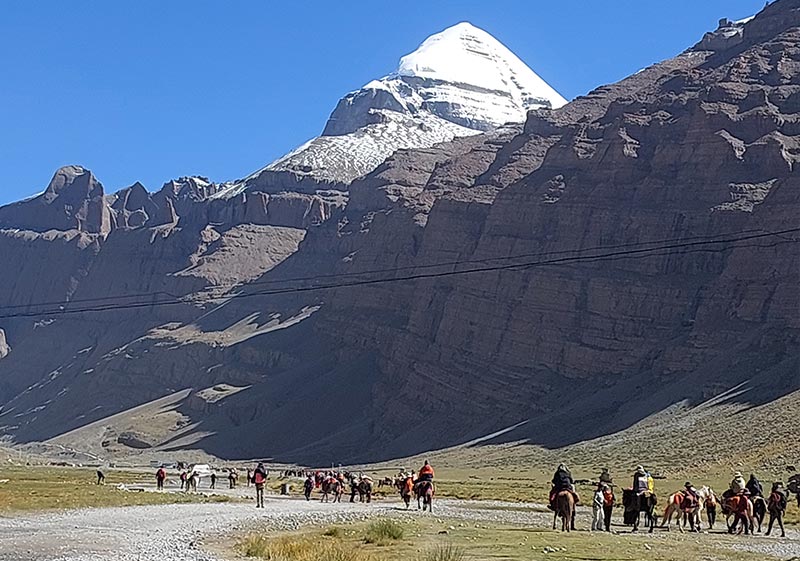
- Day 1: Darchen to Dirapuk (20 km) – Stunning views of Kailash North Face
- Day 2: Dirapuk to Zutulphuk via Dolma La Pass (22 km) – The most challenging and spiritual part
- Day 3: Zutulphuk to Darchen (10 km) – Easy downhill walk and end of Kora
Accommodation and Food on the Kora
Expect basic guesthouses or lodges with shared rooms. Food is simple but adequate—think noodle soups, flatbreads, rice, and hot tea.
You can also carry your own snacks like protein bars, dry fruits, and instant noodles for extra energy during the Kora.
Packing List for Kailash Yatra
Get fully prepared for your sacred journey with this essential Kailash Yatra packing checklist.
Stay safe, warm, and comfortable throughout the high-altitude pilgrimage.
Essentials items to Include:
- Warm layered clothing (down jacket, thermals, fleece)
- Waterproof hiking boots
- Gloves, woolen hat, and trekking poles
- Sleeping bag (rated for -10°C or lower)
- Personal medications, altitude tablets
- Passport copies and permits
Packing right is critical for your safety and comfort. Refer to our detailed packing list for Kailash Yatra to prepare efficiently.
Dealing with Altitude Sickness during Kailash Kora
Altitude sickness is common, especially around Dolma La Pass. Symptoms include headache, nausea, fatigue, and shortness of breath. To reduce the risk:
- Ascend gradually during the trip
- Stay hydrated and avoid alcohol
- Consider taking Diamox (after medical advice)
- Carry a pulse oximeter and monitor oxygen levels
Final Tips for First-Time Kailash Pilgrims
- Carry local Chinese yuan; most places don’t accept cards
- Travel with a registered operator for safety and permits
- Be respectful—Mount Kailash is sacred to millions
- Carry prayer flags or mantras if you wish to make offerings
Frequently Asked Questions during Kailash Kora
Is Kailash Kora suitable for beginners?
Yes, with the right preparation, guidance, and acclimatization.
What’s the best time for the Kailash Mansarovar Yatra?
May to September, when weather conditions are favorable.
Can I do the Kora alone?
Traveling solo is not allowed. You must go with a group and licensed guide due to Chinese regulations.
Plan Your Kailash Mansarovar Yatra with Experts
Experience the spiritual power of Mount Kailash with a safe, well-guided journey from Nepal. We handle all permits, logistics, and comfort so you can focus on the divine path.
Explore Kailash Yatra Packages