
Bhutan, the Land of the Thunder Dragon, is one of the most enchanting destinations in the Himalayas. Tucked between India and China, this small kingdom blends breathtaking mountain landscapes, ancient monasteries, and a deep sense of spirituality. Bhutan’s commitment to Gross National Happiness over GDP makes it an exceptional place where travelers can rediscover balance, peace, and wonder.
For those planning their Bhutan journey, here are the best places to visit in Bhutan—each offering a glimpse into the country’s natural beauty, culture, and timeless traditions.
1. Paro Valley
Paro Valley is Bhutan’s cultural heart and home to some of its most iconic landmarks. The stunning valley is surrounded by snow-capped mountains, dotted with traditional farmhouses, and enriched by centuries-old monasteries.
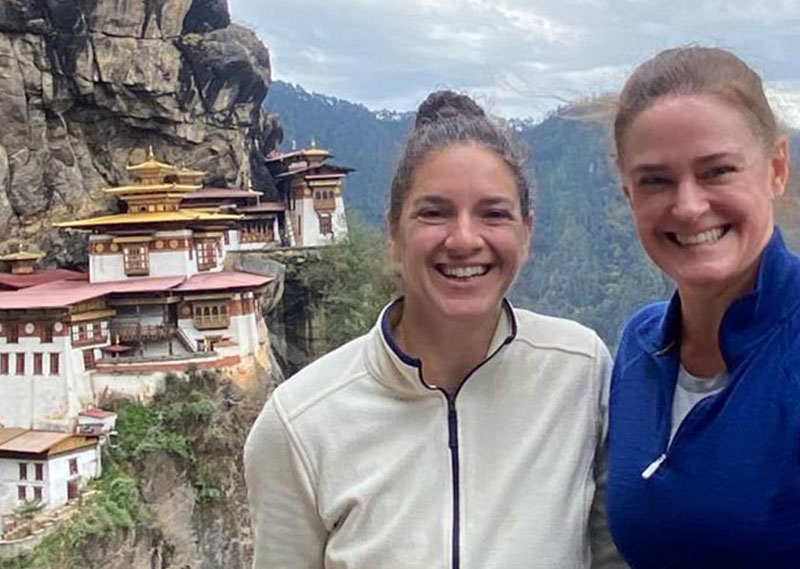
The most famous attraction here is Taktsang Monastery, better known as the Tiger’s Nest, perched dramatically on a 900-meter cliff. Visitors can enjoy a scenic hike to the monastery, passing pine forests and prayer flags fluttering in the wind. The valley also features Paro Dzong, National Museum of Bhutan, and picturesque riverside trails that make Paro one of the most photogenic destinations in the country.
2. Thimphu
As Bhutan’s capital, Thimphu uniquely blends modern development with deep-rooted tradition. The city lies along the Wang Chhu River and offers visitors a range of cultural and historical experiences.
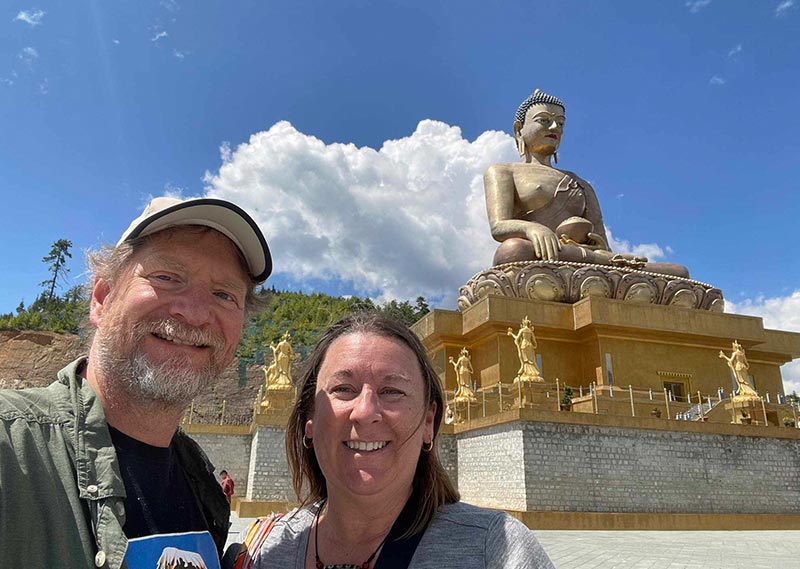
Key attractions include the Tashichho Dzong, an impressive fortress that houses the King’s throne room and government offices. The National Memorial Chorten is a place of daily prayer for locals, while the Buddha Dordenma statue, towering above the city, symbolizes peace and prosperity.
Thimphu also offers lively weekend markets, traditional handicraft workshops, and coffee shops where travelers can connect with Bhutanese urban life while still feeling close to nature.
3. Punakha Dzong
Often called the “Palace of Great Happiness,” Punakha Dzong is one of the most majestic structures in Bhutan. Located at the confluence of the Pho Chhu and Mo Chhu rivers, this 17th-century fortress is surrounded by jacaranda trees that bloom in vibrant purple hues each spring.
Punakha Dzong served as the country’s administrative center for centuries and remains an important site for royal ceremonies and religious festivals. Visitors can admire its intricate woodwork, towering white walls, and golden roofs that reflect beautifully in the river below. The surrounding valley offers scenic hikes and the iconic Suspension Bridge of Punakha, one of Bhutan’s longest and most picturesque.
4. Phobjikha Valley
Nestled on the western slopes of the Black Mountains, Phobjikha Valley is a glacial valley known for its natural beauty and peaceful atmosphere. It’s also a significant conservation area and the winter home of the rare black-necked cranes, which migrate here from Tibet.
Travelers can explore the charming Gangtey Monastery, overlooking the valley, and follow the Gangtey Nature Trail, which passes through forests, villages, and meadows. Phobjikha is an ideal destination for nature lovers and those seeking quiet reflection in Bhutan’s pristine countryside.
5. Bumthang Valley
Often referred to as the spiritual heart of Bhutan, Bumthang comprises four valleys—Chokhor, Tang, Ura, and Chhume—each rich in temples, monasteries, and legends.
Important religious sites include Jambay Lhakhang, one of the oldest temples in the country, and Kurje Lhakhang, where Guru Rinpoche is said to have meditated. The area’s rolling hills, apple orchards, and beautiful dzongs make Bumthang a favorite for cultural immersion and photography.
Visitors can also experience traditional weaving, butter production, and the region’s famous Red Panda Brewery, adding a local touch to this serene retreat.
6. Haa Valley
Located west of Paro, Haa Valley is one of Bhutan’s least-explored and most tranquil regions. Surrounded by rugged peaks and alpine forests, Haa retains its authentic rural charm.
The valley is dotted with traditional houses, ancient temples like Lhakhang Karpo (White Temple) and Lhakhang Nagpo (Black Temple), and numerous hiking trails. It’s also a great spot for travelers who enjoy photography and cultural homestays, offering a glimpse into the traditional Bhutanese lifestyle.
Haa’s remoteness makes it a perfect escape for those who wish to experience Bhutan’s untouched beauty.
7. Trongsa
Situated in central Bhutan, Trongsa holds immense historical importance as the ancestral home of Bhutan’s royal family. The magnificent Trongsa Dzong dominates the landscape, cascading down the mountainside with layers of whitewashed walls and golden roofs.
Visitors can also explore the Ta Dzong, a former watchtower that now serves as a museum showcasing royal relics and artifacts. The panoramic views of the valley and the surrounding hills make Trongsa a highlight for history and photography enthusiasts alike.
8. Gangtey Monastery
Overlooking the breathtaking Phobjikha Valley, Gangtey Monastery (Gangtey Goenpa) is one of Bhutan’s most important Nyingma Buddhist centers. Founded in the 17th century, the monastery’s design reflects classic Bhutanese architecture, featuring intricate wood carvings and vibrant murals.
The site holds great spiritual significance and offers visitors an opportunity to witness daily monastic life. The annual Black-Necked Crane Festival, celebrated in the courtyard, honors the arrival of these sacred birds and promotes environmental awareness.
9. Dochula Pass
Perched at 3,100 meters (10,171 feet), Dochula Pass is a breathtaking mountain viewpoint along the road between Thimphu and Punakha. The pass is famous for its 108 chortens (stupas) built in honor of Bhutanese soldiers who died in battle.
On clear days, travelers can witness panoramic views of the eastern Himalayas, including some of Bhutan’s highest peaks. The site’s serenity, fluttering prayer flags, and the nearby Druk Wangyal Lhakhang temple make Dochula Pass a must-visit stop for photographers and nature lovers.
10. Jigme Dorji National Park
As Bhutan’s second-largest protected area, Jigme Dorji National Park is a paradise for wildlife enthusiasts and trekkers. Spanning over 4,300 square kilometers, it is home to endangered species such as the snow leopard, Bengal tiger, Himalayan black bear, and red panda.
The park’s diverse landscapes range from subtropical forests to alpine meadows and glacial lakes. It also includes several sacred sites and traditional yak-herding communities. Adventure travelers can enjoy treks like the Laya Gasa Trek, which offers stunning mountain vistas and authentic cultural encounters.
11. Lhuentse
Located in northeastern Bhutan, Lhuentse is one of the country’s most remote and culturally rich districts. Known for its handwoven textiles, especially Kishuthara, Lhuentse provides an authentic look at traditional Bhutanese craftsmanship.
The region’s highlights include Lhuentse Dzong, Khoma Village, and several ancient monasteries set amid dramatic cliffs. For travelers interested in rural life and local artistry, Lhuentse is a rewarding addition to any Bhutan itinerary.
12. Trashigang
Trashigang, Bhutan’s easternmost district, offers a blend of scenic landscapes and vibrant culture. It’s a major trade center for eastern Bhutan and the gateway to India’s Arunachal Pradesh.
The Trashigang Dzong, perched above the Gamri River, stands as a striking landmark. Nearby, travelers can explore Khaling Handloom Center, Rangjung Monastery, and the picturesque villages scattered across the hillsides. The region’s festivals, traditional music, and friendly locals make Trashigang an unforgettable experience off the main tourist trail.
Explore Bhutan’s Hidden Treasures
Discover the magic of Bhutan through ancient monasteries, breathtaking valleys, and warm local hospitality. Join an unforgettable journey crafted with care, authenticity, and a deep respect for Bhutanese culture.
Best Time to Visit Bhutan
The best time to visit Bhutan largely depends on travelers’ interests.
- Spring (March–May): Ideal for pleasant weather, blooming rhododendrons, and clear skies.
- Autumn (September–November): Offers stunning views of the Himalayas and coincides with many cultural festivals.
- Winter (December–February): Cooler temperatures and fewer tourists make this season peaceful and photogenic.
- Summer (June–August): Lush landscapes, though rainfall may limit trekking options.
Both spring and autumn are considered peak seasons for Bhutan travel. For a detailed seasonal guide, see Best Time to Travel to Bhutan on Prime Himalayas.
For travelers interested in exploring Bhutan and Nepal together, the Nepal and Bhutan Tour offers a seamless journey through the Himalayas, combining cultural highlights, scenic valleys, and iconic landmarks.
Cultural Highlights and Festivals
Bhutan’s identity is deeply rooted in its spirituality and festivals. Every district hosts colorful Tshechu festivals, where monks and locals perform mask dances and rituals to celebrate Guru Rinpoche.
Some of the most popular festivals include:
- Paro Tshechu (March/April)
- Thimphu Tshechu (September/October)
- Punakha Drubchen (February)
Attending one of these celebrations offers travelers an immersive insight into Bhutanese faith, art, and community spirit.
Travel Tips for First-Time Visitors
- Visa and Travel: Bhutan requires all travelers (except from India, Bangladesh, and Maldives) to book through licensed tour operators.
- Currency: The Bhutanese Ngultrum (BTN) is used; Indian Rupees are also widely accepted.
- Etiquette: Dress modestly and show respect in monasteries and dzongs.
- Connectivity: Wi-Fi is available in major towns, though rural areas may have limited access.
- Environment: Bhutan promotes sustainable tourism, so travelers should minimize plastic use and respect local customs.
- Travelers can also explore Bhutan Cuisine to discover traditional dishes and local dining experiences.
These small gestures ensure a more meaningful and responsible travel experience in the Kingdom of Happiness.
Conclusion
Bhutan remains one of the world’s most exclusive travel destinations — a country that values happiness, heritage, and harmony above all else. From the cliffside Tiger’s Nest Monastery to the calm meadows of Phobjikha and the grandeur of Punakha Dzong, these best places to visit in Bhutan capture the spirit of a nation untouched by time.
For those ready to experience a journey of peace, culture, and breathtaking landscapes, Bhutan awaits — timeless, spiritual, and unforgettable.
Discover Nepal & Bhutan in One Journey
Experience the best of two Himalayan kingdoms—with cultural heritage, majestic landscapes, and immersive local encounters. This tour combines Nepal’s historic cities and wildlife parks with Bhutan’s monasteries, valleys, and spiritual charm.